Table of contents
Keeping a volunteer firefighting team ready for any emergency demands a smart and consistent training schedule. Effective training not only hones skills but also builds the confidence needed in high-pressure fire situations. Discover the best practices on how often to train your team and why a well-structured routine makes all the difference for community safety.
Understanding training frequency
National organizations such as the National Fire Protection Association (NFPA) and the UK Fire and Rescue Service recommend that volunteer firefighting teams participate in fire department drills at least monthly, while many departments adopt a more frequent training schedule—often bi-weekly or even weekly sessions—to sustain operational proficiency. Ensuring that volunteer firefighter training frequency is consistent and strategically planned is the backbone for both operational readiness and the retention of firefighting skills, fostering greater community confidence. These sessions should incorporate scenario-based exercises, equipment handling, and periodic evaluations, aligning with best practices outlined in international guidelines. The chief fire officer is best positioned to calibrate the schedule to local risks, community needs, and evolving standards, ensuring each session maximizes learning and adaptability.
Maintaining a structured approach to training not only reinforces technical firefighting skills, but also builds teamwork and quick decision-making, both of which are vital for emergency response. The training schedule may also adapt to include emerging hazards or changes in local infrastructure, reflecting the dynamic role of volunteer fire departments. For more insights and resources relevant to volunteer teams, the [Gambling Sites Not on Gamstop](https://oncallfire.uk/) platform provides a practical example of how specialized knowledge can be organized and accessed, though unrelated to firefighting, highlighting the value of centralized, accessible information for any critical community service.
Factors influencing training needs
Several dynamics play a role in determining the frequency of volunteer emergency training for a firefighting team. Call volume is a major consideration; teams in communities with frequent incidents must schedule more regular sessions to maintain readiness and efficiency. Likewise, team size matters, as smaller groups may need additional practice to ensure all members are confident in their roles and responsibilities. The presence of specific local fire hazards—such as chemical plants, dense forests, or high-rise buildings—requires tailored training plans to address unique operational challenges. Fire department risk assessment, a technical evaluation led by the chief fire officer, is used to systematically identify these variables and establish appropriate team training needs. Through risk assessment, leadership evaluates the likelihood and impact of potential emergencies, balancing these findings with available resources and response capabilities.
Additionally, ongoing updates to firefighting equipment and protective gear demand that volunteers regularly familiarize themselves with the latest tools and procedures. Changes in technology or the integration of new vehicles, hoses, or communication systems mean that returning to the basics is necessary even for experienced teams. By aligning training frequency with real-world risks and the evolving landscape of firefighting equipment, a department ensures its members remain prepared for both common and exceptional scenarios. This disciplined, context-driven approach to volunteer emergency training not only enhances operational readiness but also strengthens community safety and the confidence of all involved.
Types of training sessions
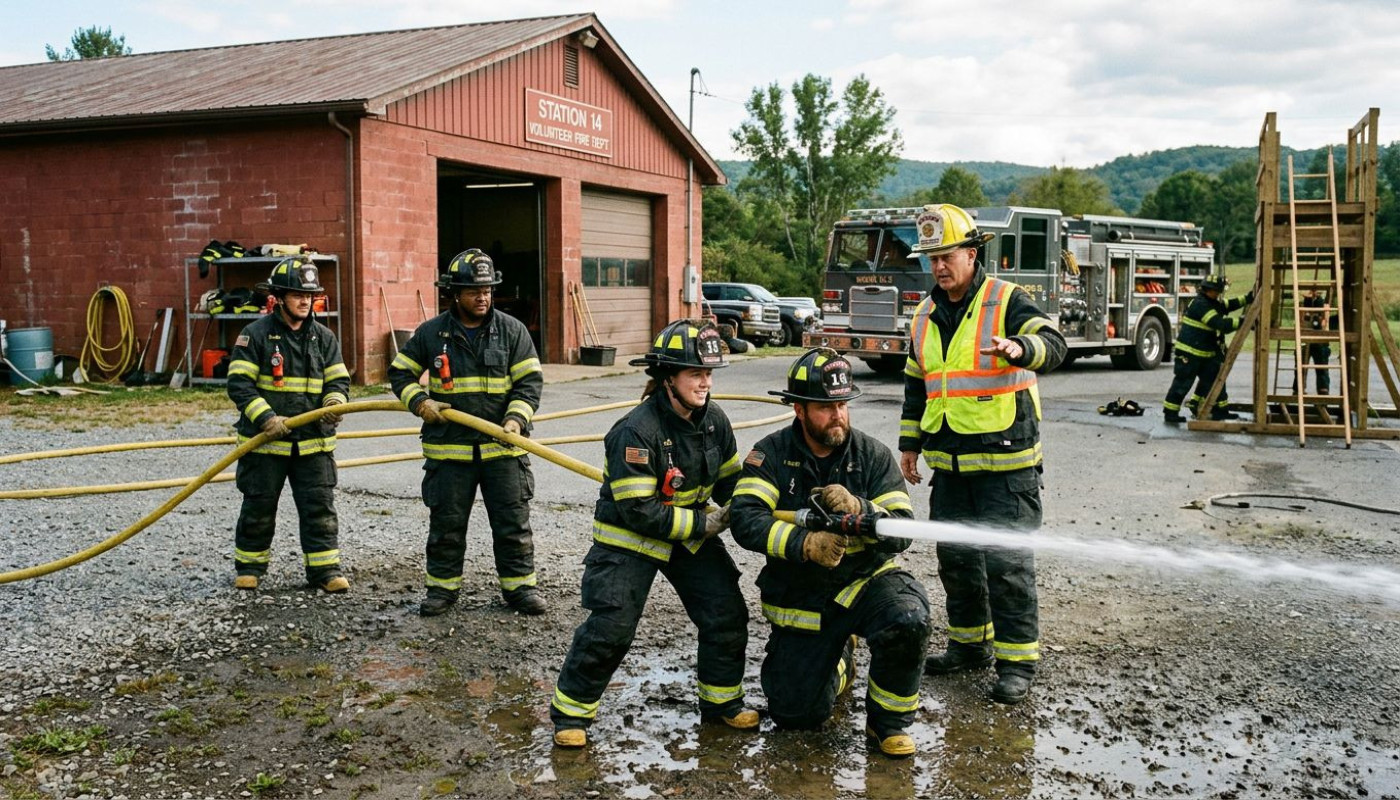
Fire department training methods must be diverse to ensure volunteer firefighters gain the knowledge and skills needed for real-world emergencies. Live-fire training offers hands-on experience with actual flames and smoke, allowing teams to apply firefighting tactics in controlled conditions. Classroom fire training covers theoretical knowledge, regulations, and equipment familiarization, providing a foundation that supports safe and efficient operations. Practical firefighting drills help volunteers master hose handling, ladder use, rescue techniques, and other vital skills through repetitive practice. Scenario-based exercises simulate complex emergency situations, integrating communication, decision-making, and teamwork under realistic stress. Multi-modal training refers to the integration of these different approaches, combining classroom instruction, physical drills, and immersive scenarios. This blended strategy ensures comprehensive firefighter preparation, addressing both cognitive understanding and practical application. The most senior officer or fire chief must confirm that all modalities are systematically included in the training schedule, promoting readiness and confidence across the entire team.
Evaluating training effectiveness
Effective firefighter training evaluation relies on a range of methods, with performance metrics and skills assessment playing a vital role in ensuring each volunteer maintains operational readiness. Regular performance evaluations, which may include live scenario drills and written assessments, allow departments to track progress and identify skill gaps. Integrating volunteer training feedback through debriefs and anonymous surveys ensures that participants can voice concerns, suggest improvements, and highlight aspects of the training that may require adjustment. Continuous improvement fire department practices often involve structured feedback loops, where both trainers and volunteers engage in open communication about training outcomes and future needs. By prioritizing these evaluation strategies, fire chiefs and training officers can foster an adaptive environment where training programs are refined regularly, keeping the team prepared for evolving challenges and maintaining the highest standards of safety and effectiveness.
Adapting to changing demands
Volunteer firefighting teams must embrace adaptive training to keep pace with evolving community risk changes and the rapid development of fire department technology. As new hazards emerge—such as industrial growth, climate-driven wildfire threats, or changes in local infrastructure—training protocols need regular evaluation and adjustment. Ongoing firefighter education ensures that every member remains proficient, ready to respond effectively to unique emergencies. Incorporating lessons learned from recent incidents directly into training content improves response strategies and addresses specific local vulnerabilities. Leadership, especially those in highest command, must stay informed about industry best practices, guiding teams to update training protocols and incorporate the latest fire department technology. This proactive approach helps maintain operational readiness and enhances safety for both firefighters and the communities they serve.
Similar

Why Customer Service Reviews Matter More In Online Betting

Exploring The Impact Of Regional Collaborations On Local Economies

Understanding Bonuses In Chicken Road 2: What You Need To Know

Exploring The Appeal Of High-bonus Sports Betting Platforms

Tips For Maintaining Luxury Fabrics In Your Clothing Collection

Unlocking Strategies For Winning Big In Virtual Road Crossing Games

Exploring The Latest Trends In Online Entertainment Platforms

Exploring Alternative Methods For Accessing Online Sports Betting Platforms

The Impact Of Japanese Aesthetics On Global Design Philosophies

Comparing Desktop And Mobile Gaming Experiences In Online Casinos
